

Frequently Asked Questions
Falls are not just a wellness issue. They are a liability exposure issue. Organizations that rely solely on prevention strategies leave a gap between balance training and real-world impact management. When that gap is not addressed, confidence declines, fear increases, and institutional risk remains. The Ukemi Protection Pathway™ closes that gap.
-
Most programs focus only on preventing falls through balance, strength, and environmental safety.
Fall protection goes one step further.
Prevention reduces risk.
Protection reduces injury if a fall still happens.Ukemi Health Partners teaches both. We train stability, awareness, and lower-leg agility — and we also teach safe landing principles derived from judo (ukemi waza) to reduce injury risk during unexpected loss of balance.
-
Ukemi is the Japanese term used in judo for safe falling.
It is the skill of protecting the head, neck, and joints during impact. Rather than bracing stiffly, the body disperses force and reduces injury risk.
Our curriculum adapts these principles for older adults and community populations in a controlled, dignified, and safe environment.
No martial arts experience is required.
-
Yes.
All sessions are:
• Mat-based
• Progressively scaled
• Instructor-led
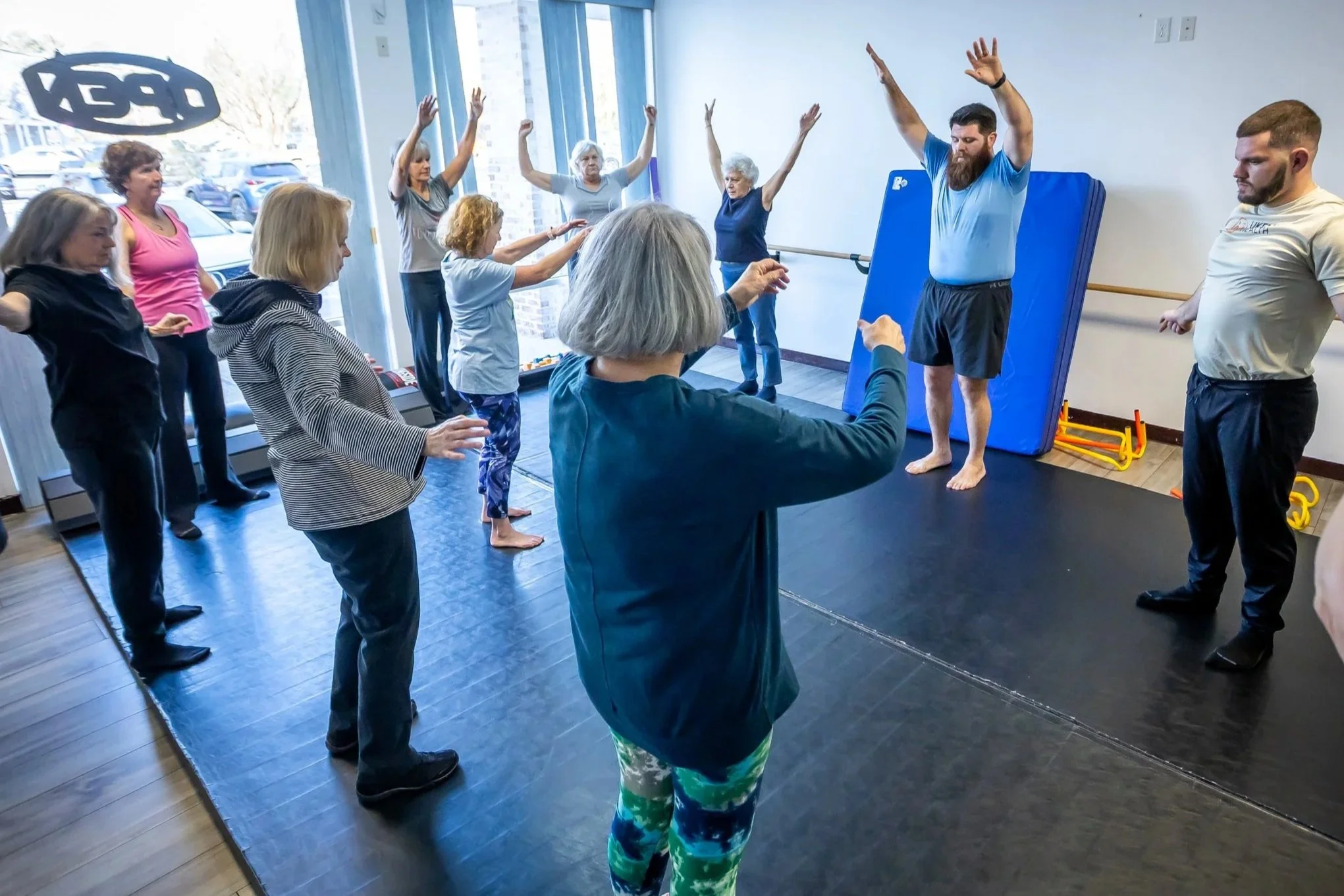
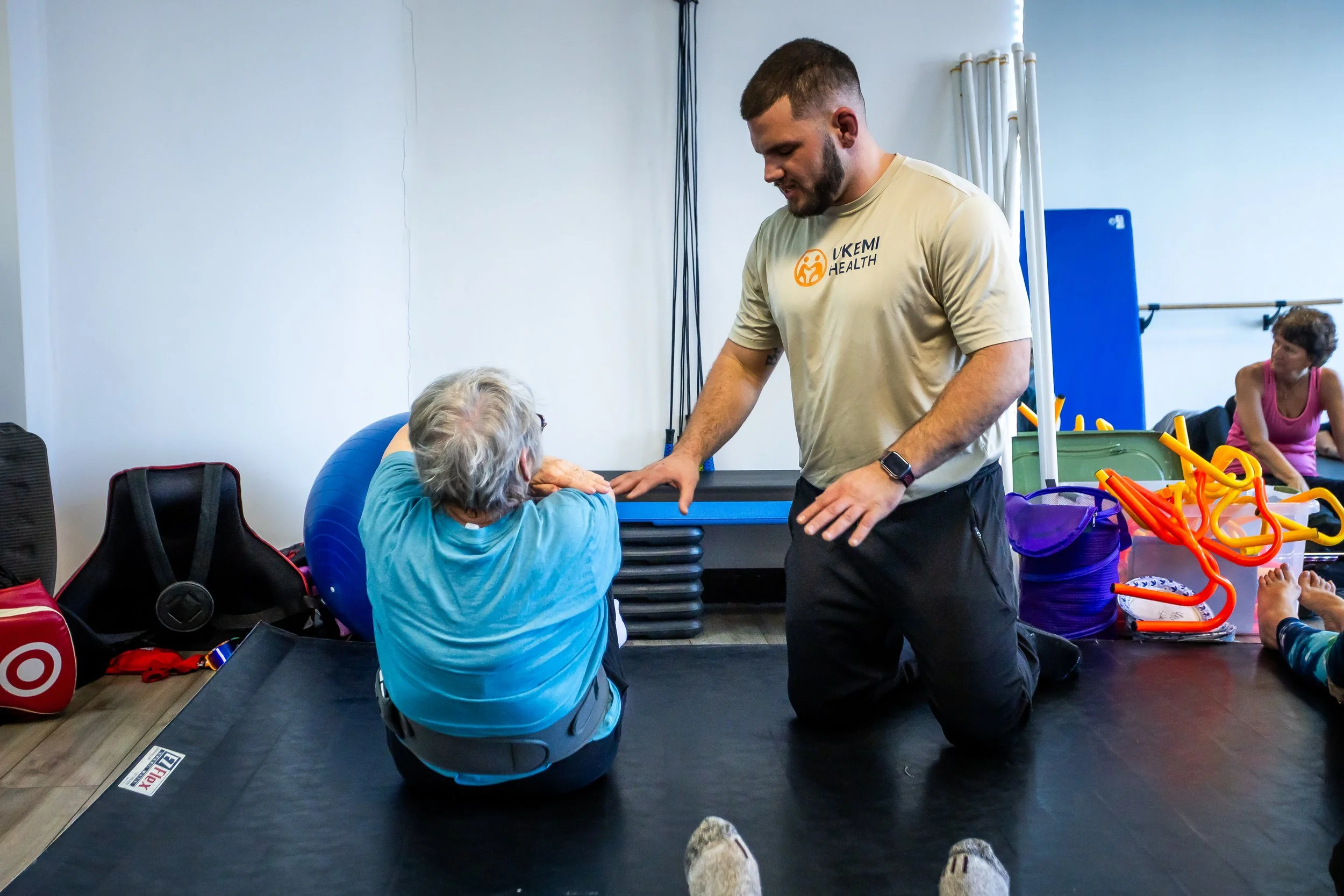
• Performed in a controlled environmentParticipants are never forced to do anything outside of their comfort level. The emphasis is education, awareness, and confidence.
Safety and dignity come first.
-
We work with:
• Senior living communities
• Corporate wellness programs
• Churches
• Private clubs
• Community centers
• Active adult populationsThe program is appropriate for adults who want to reduce injury risk and improve confidence after loss of balance
-
A typical Fall Protection 101 seminar includes:
• The gap between prevention and protection
• Risk awareness education
• The fear and inactivity cycle
• Foundational balance and mobility drills
• Introduction to safe landing principles
• Demonstration of front, back, and side protection mechanicsSessions are educational, practical, and interactive.
-
Not necessarily.
Floor-based instruction is optional and scaled. Many principles can be learned from seated or assisted positions first.
The goal is progression, not pressure.
-
Ideal group size is 5 to 29 participants.
Larger keynote-style sessions are available for educational presentations.
For hands-on training, we maintain safe instructor-to-participant ratios.
-
For hands-on sessions:
• Open room with minimal obstacles
• Approximate 6x6 feet per participant
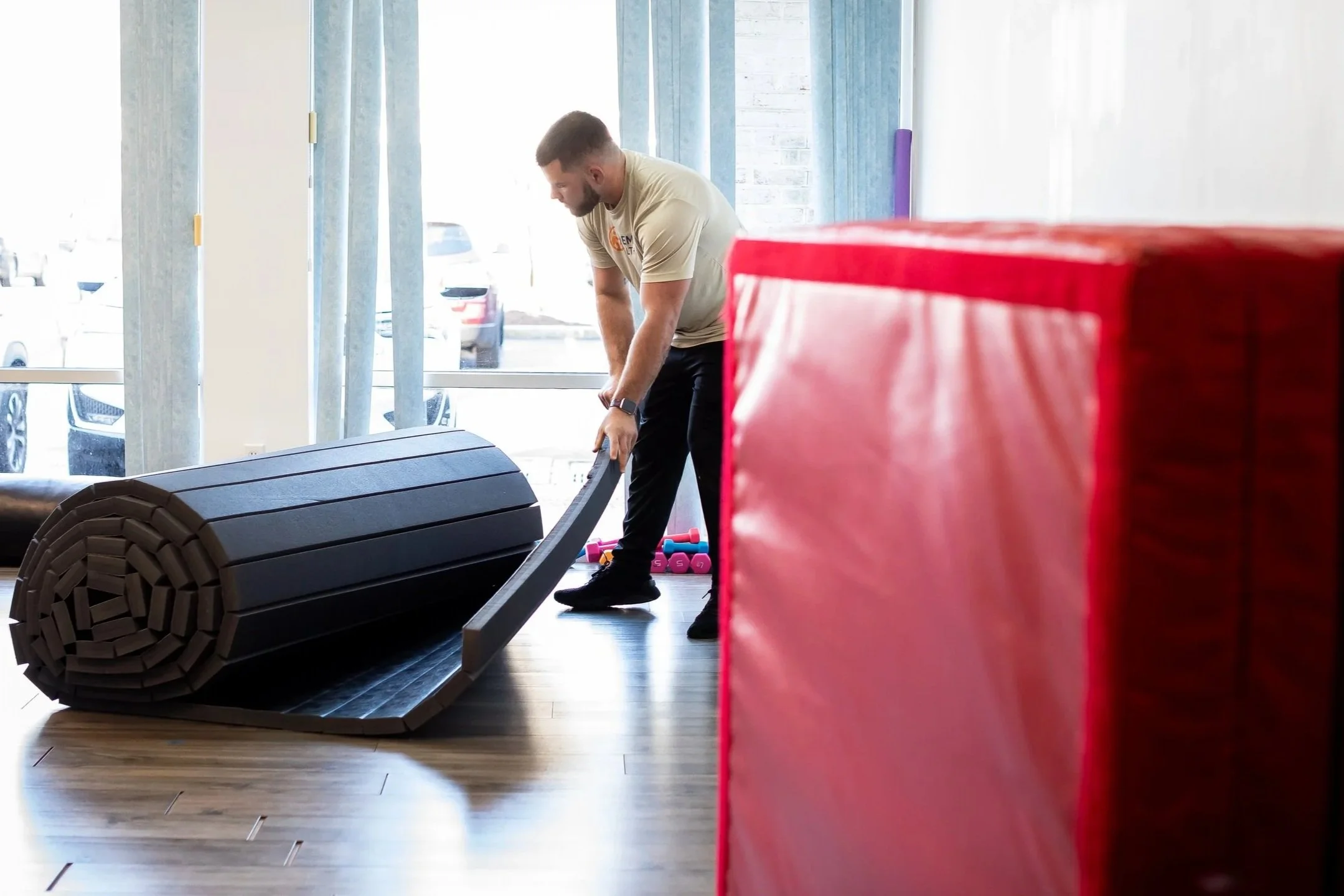
• Clean, flat flooringWe provide or coordinate mat needs depending on location and partnership level.
-
The first step is scheduling a free Fall Protection 101 executive demo.
This allows leadership to:
• Experience the framework
• Understand the curriculum
• Evaluate fit for your population
• Discuss partnership optionsYou can schedule directly through the booking page.